|
Assembly Actions -
Lowercase Senate Actions - UPPERCASE |
|
|---|---|
| Oct 25, 2012 |
signed chap.491 |
| Oct 15, 2012 |
delivered to governor |
| Jun 12, 2012 |
returned to senate passed assembly ordered to third reading rules cal.144 substituted for a10624 referred to codes delivered to assembly passed senate ordered to third reading cal.1161 |
| Jun 08, 2012 |
referred to rules |
Senate Bill S7638
Signed By Governor2011-2012 Legislative Session
Enacts various provisions of law deemed necessary by the state including establishing a domestic violence fatality review team; and issues related to confidentiality
download bill text pdfSponsored By

(R) Senate District
Archive: Last Bill Status - Signed by Governor
- Introduced
-
- In Committee Assembly
- In Committee Senate
-
- On Floor Calendar Assembly
- On Floor Calendar Senate
-
- Passed Assembly
- Passed Senate
- Delivered to Governor
- Signed By Governor
Actions
Votes
-
-
-
-
Floor Vote: Jun 12, 2012
aye (59)- Adams
- Addabbo Jr.
- Alesi
- Avella
- Ball
- Bonacic
- Breslin
- Carlucci
- DeFrancisco
- Diaz
- Dilan
- Duane
- Farley
- Flanagan
- Fuschillo
- Gallivan
- Gianaris
- Golden
- Griffo
- Grisanti
- Hannon
- Hassell-Thompson
- Johnson
- Kennedy
- Klein
- LaValle
- Lanza
- Larkin
- Libous
- Little
- Marcellino
- Martins
- Maziarz
- McDonald
- Montgomery
- Nozzolio
- O'Mara
- Oppenheimer
- Parker
- Peralta
- Perkins
- Ranzenhofer
- Ritchie
- Rivera
- Robach
- Saland
- Sampson
- Savino
- Serrano
- Seward
- Skelos
- Smith
- Squadron
- Stavisky
- Stewart-Cousins
- Storobin
- Valesky
- Young
- Zeldin
-
Jun 12, 2012 - Rules Committee Vote
S763824Aye0Nay0Aye with Reservations0Absent1Excused0Abstained -
-
co-Sponsors

(R, C, IP) Senate District

(R, C, IP, RFM) 24th Senate District

(R, C, IP) Senate District

(R, C, IP) Senate District

(D) Senate District

(D) Senate District

(D) Senate District

(R, C) 60th Senate District

(D, WF) 12th Senate District
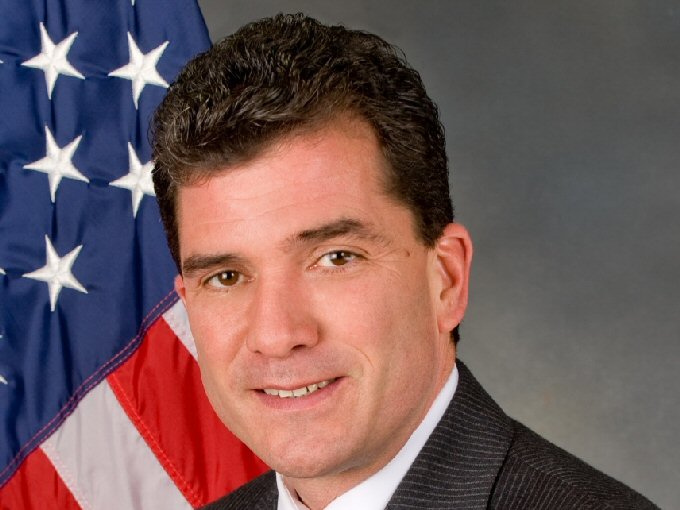
(R, IP) Senate District

(D, WF) Senate District
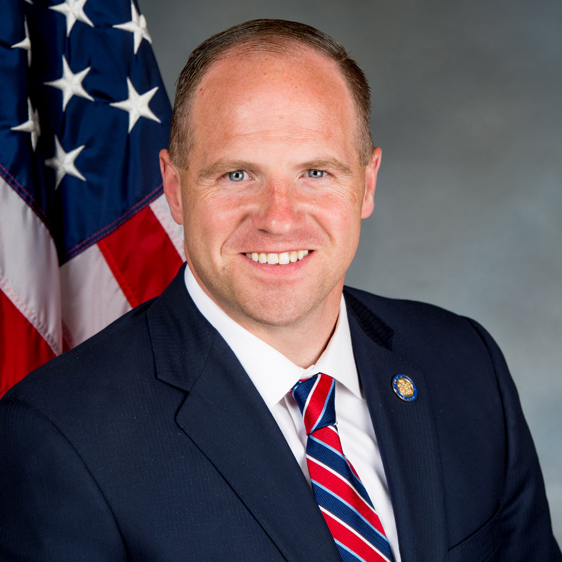
(D, WF) 63rd Senate District

(R, C) 58th Senate District

(D, WF) Senate District

(D, IP) Senate District

(D, WF) Senate District

(D, IP) Senate District
2011-S7638 (ACTIVE) - Details
- See Assembly Version of this Bill:
- A10624
- Law Section:
- Executive Law
- Laws Affected:
- Rpld §575 sub 10, amd §§575 & 108, Exec L, amd §2, Chap 502 of 2011; amd §4201, Pub Health L; amd §510.30, add §200.63, CP L; add §240.75, amd §240.30, Pen L; amd §2612, Ins L
2011-S7638 (ACTIVE) - Summary
Establishes a domestic violence fatality review team; adds members to the advisory council on domestic violence (part A); prohibits certain persons from controlling the disposition of a decedent's remains (part B); relates to the confidentiality program of the department of state (part C)
2011-S7638 (ACTIVE) - Sponsor Memo
                                BILL NUMBER:S7638

TITLE OF BILL:
AN ACT
to amend the executive law, in relation to
establishing a domestic violence fatality review team,
adding members to the advisory council, and repealing
subdivision 10 of section 575 of such law relating to the New York
state address confidentiality program (Part A);
to amend the public health law, in relation to the disposition of
remains (Part B);
to amend the executive law, in relation to the address confidentiality
program of the department of state; and to amend chapter 502 of the laws
of 2011 amending the executive law relating to authorizing the secretary
of state to accept service of process and receipt of mail on behalf of
victims of domestic violence for the purpose of maintaining the
confidentiality of the location of such victims, in relation to the
effectiveness thereof (Part C);
to amend the criminal procedure law, in relation to the consideration of
certain factors when determining the issuance of an order of
recognizance or bail; and
to amend the penal law and the criminal procedure law, in relation to
the creation of the crime of aggravated family offense (Part D); and
to amend the insurance law, in relation
to a reasonable request to receive
communications of health information by
alternative means or at alternative locations
when disclosure of the information could
endanger the person (Part E)

PURPOSE:
This bill would enhance protections for victims of domestic violence.

                                 PART A

SUMMARY OF PROVISIONS:
Section 1 of this part would amend Executive Law § 575(4) to add two
new members to the Advisory Council on Domestic Violence and provide
that the Executive Director of the Office for the Prevention of
Domestic Violence (OPDV) is the chair of the council.

Section 2 of this part would repeal Executive Law § 575(10), which
required OPDV to conduct a study of an address confidentiality program.

Section 3 of this part would add a new subdivision 10 to Executive Law
§ 575 to create a domestic violence fatality review team within OPDV.

Section 4 of this part provides the effective date.

EXISTING LAW:

Currently, each county is required to have a child fatality review
team. New York City has a local law mandating aggregate city-wide
domestic violence fatality reviews.

STATEMENT IN SUPPORT:
The primary purpose of a fatality review is to bring together domestic
violence-related professionals to review domestic violence homicides
and suicides, in an effort to understand more fully the factors
involved and the sequence of events in a case, with the goal of
identifying gaps in response or service delivery and determining how
the system can be improved, in order to help prevent future deaths.

This legislation provides for a domestic violence fatality review team
to be established by OPDV. The details of the reviews and identifying
information obtained by the team would remain confidential, but OPDV
would be required to report periodically to the Governor and the
Legislature aggregate data and recommendations that result from the
reviews. This structure would allow local communities to benefit from
the review while providing important information to assist the State
in identifying broader systemic challenges.

LEGISLATIVE HISTORY:
This is a new proposal.

BUDGET IMPLICATIONS:
OPDV anticipates being able to implement this initiative within its
existing resources.

EFFECTIVE DATE:
This part would take effect 180 days after it becomes a law.

                                 PART B

SUMMARY OF PROVISIONS:
Section 1 of this part adds a new paragraph (e) to subdivision 2 of
Public Health Law § 4201 to provide that a person who is the subject
of an Order of Protection protecting an
individual now deceased, or who has been charged with causing the
death of such deceased person, shall not be eligible to exercise
control of the disposition of the deceased's remains.

Section 2 of this part provides the effective date.

EXISTING LAW:
Currently, Public Health Law § 4201 sets forth the priority of persons
having the right to control the disposition of remains, without any
consideration as to whether the person nominally entitled to exercise
such right may have killed the deceased.

STATEMENT IN SUPPORT:
Recently, a woman in Western New York was brutally murdered, and her
husband was charged with her murder. The husband refused, for an

extended period of time, to make appropriate funeral arrangements,
allowing the victim's body to remain in the county morgue. Because of
the provisions of Public Health Law § 4201, the county was not
authorized to allow other family members to lay this woman to rest.
When the husband finally acted he disposed of her body in a way that
her family believed was intentionally disrespectful and violated the
woman's beliefs. People who exhibit extreme hostility towards a
decedent, as evidenced by an order of protection or being the subject
of criminal charges arising out of the treatment of such decedent,
are not suitable persons to plan final funeral and burial arrangements.

LEGISLATIVE HISTORY:
None.

BUDGET IMPLICATIONS:
None.

EFFECTIVE DATE:
This part would take effect 30 days after it becomes a law.

                                 PART C

SUMMARY OF PROVISIONS:
Section 1 of this part would amend Executive Law § 108(1) to add a
definition of "public record" for purposes of state and local
acceptance of substitute addresses and add a definition of "process"
for purposes of service of process on the Secretary of State pursuant
to the Address Confidentiality Program (ACP).

Section 2 of this part would amend Executive Law § 108(2) to: (a)
provide that applications for participation in the ACP may be
affirmed rather than notarized; and (b) provide that other adult
members of a program participant's household can participate in the
program if necessary to ensure the safety of the primary participant,
and require the other adult to consent to
participation and designate the Secretary of State as agent for
service of process and receipt of mail.

Section 3 of this part would amend Executive Law § 108(4) to: (a)
provide that law enforcement requests for actual address information
be directed only to the Department of State by removing similar
authority for state and local agencies that have been granted waivers
to maintain actual address information; (b) allow a state or local
agency to communicate an actual address to another agency if both
agencies have waivers to maintain and communicate that information to
each other; and (c) provide additional technical clarification
regarding service of process on the Secretary of State.

Section 4 of this part would amend Executive Law § 108(6) to: (a)
clarify that the Secretary of State will not release information
about a program participant except in response to court orders and
certain law enforcement requests; and (b) clarify that the Secretary

of State may verify program participation by verifying information
other than an actual address.

Section 5 of this part would amend section 2 of chapter 502 of the
laws of 2011 to extend the effective date of the address
confidentiality program legislation until July 15, 2012.

EXISTING LAW:
L. 2011, c. 502 enacted Executive Law § 108 to establish an Address
Confidentiality Program in the Department of State. This law is
scheduled to take effect on June 23, 2012.

STATEMENT IN SUPPORT:
The ACP will allow victims of domestic violence to shield their actual
addresses by allowing participants to use a substitute address
maintained by the Department of State. Under this program, state and
local governments must accept the substitute address, with extremely
narrow exceptions, and the department will forward mail on to
participants' actual addresses.

This part will make several clarifying and technical amendments to the
ACP authorizing legislation to help ensure that the program meets the
needs of participants and can be effectively implemented by the
Department of State.

LEGISLATIVE HISTORY:
This is a new proposal.

BUDGET IMPLICATIONS:
This part has no fiscal implications for the State.

EFFECTIVE DATE:
The bill would take effect immediately; provided that sections one
through four of this part will take effect on the same date and in
the same manner as L. 2011, c. 502.

                                 PART D

SUMMARY OF PROVISIONS:
Section 1 of this part would amend Criminal Procedure Law § 510.30 to
require a court to consider certain factors when determining
recognizance or bail for a defendant who is charged with an offense
against a family or household member.

Section 2 of this part would establish the crime of "Aggravated Family
Offense" as a class E felony, and outline the conduct that would
constitute the new offense.

Section 3 of this part provides that a special information may be
included with an indictment of an aggravated family offense. This
section also sets forth the procedure for trying the case.

Section 4 of this part would amend Penal Law § 240.30 to add a new
class A misdemeanor of "Aggravated Harassment in the Second Degree",
committed when a defendant, with intent to harass, annoy, threaten or
alarm another person, subjects such person to certain physical
contact and thereby causes physical injury to such person or to such
person's family or household member.

Section 5 of this part provides the effective date.

EXISTING LAW:
Currently, a court need not consider any special factors when
determining recognizance or bail in a family offense case. Moreover,
there are no existing provisions to enhance penalties for domestic
violence offenders who repeatedly commit misdemeanor level offenses.

STATEMENT IN SUPPORT:
Domestic violence is a problem of enormous prevalence and impact. It
has been identified by the Surgeon General of the United States as
the number one health problem affecting American women, and it floods
the justice system of New York State as well as the courts of every
other state in the nation. These amendments to the Penal Law and
Criminal Procedure Law will provide additional protections to
domestic violence victims.

First, under the Criminal Procedure Law, perpetrators of domestic
violence offenses may be set free on low bail and thereby allowed to
stalk, harm and sometimes kill their specifically targeted victims.
If judges determining recognizance and bail in domestic violence
cases were required to consider well established risk factors, such
as an offender's prior violation of an order of protection and the
accused's access to guns, many victims and their children would be
spared additional harm and, in some tragic incidences, their lives.
However, the bail statute currently does not consider the unique
nature of domestic violence cases. This legislation permits judges to
take such factors into account.

In addition to such preventative measures, many domestic violence
abusers repeatedly commit low-level offenses against an intended
victim, which result in those victims being subject to continuing
harm and fear of harm. The record is replete with examples of repeat
offenders who are not subject to progressive discipline. For
example, in New York City, a defendant with a long misdemeanor
domestic violence history, involving multiple assaults and violations
of orders of protection, chased his girlfriend down the street with a
machete, biting and clawing at her in front of her three-year-old
child. He was not charged as a felon. In another case, a defendant
with 132 prior convictions, many of which stemmed from assaults
against his partner, served nine months in jail for an assault
against his daughter. Since his release on that case, the defendant
has been arrested again for domestic assault.

This bill would amend the Penal Law to provide that a defendant with a
history of domestic violence who repeatedly commits misdemeanor
offenses could be prosecuted as a felon, It would create a new E
felony crime of "Aggravated Family Offense," committed when a
defendant commits a specified misdemeanor offense, and he or she was
previously convicted of a "specified offense" against a family or
household member in the previous five years.

It also would create a new class A misdemeanor of "Aggravated
Harassment in the Second Degree", committed when a defendant, with
intent to harass, annoy, threaten or alarm another person, subjects
such person to certain physical contact and thereby causes physical
injury to such person or to such person's family or household member.

LEGISLATIVE HISTORY:
Similar bills have been introduced in previous years.

BUDGET IMPLICATIONS:
None.

EFFECTIVE DATE:
The revisions to the bail statute and the new Aggravated Harassment in
the Second Degree would take effect 60 days after it becomes a law,
and the new Aggravated Family Offense would take effect 90 days after
becoming a law.

                                 PART E

SUMMARY OF PROVISIONS:
Section 1 of this part would amend Insurance Law § 2612(c)(2) by
including within the definition of "insurer" a municipal cooperative
health benefit plan established pursuant to Article 47 of the
Insurance Law,

Section 2 of this part would amend Insurance Law § 2612 by adding a
new subsection (h), which would define, for the purposes of that
subsection, "health insurer," and "claim related
information" and require a health insurer to accommodate a reasonable
request by a person covered by an insurance policy to receive
communications or claim related information by alternative means or
at alternative locations if so requested. It would apply only to a
policy of accident and health insurance or a policy of salary
protection insurance, as defined in Insurance Law § 1113(a).

Except with the express consent of the person making a request, a
health insurer could not disclose to the policyholder the address,
telephone number, or any other personally identifying information of
the person who made the request or child for whose benefit the
request was made; the nature of the health care services provided; or
the name or address of the provider of the covered services.

Section 3 provides for the effective date of the bill.

EXISTING LAW:
Insurance Law § 2612 states that if a person covered under an
insurance policy delivers to the insurer a valid order of protection
against another person covered by the insurance policy, then the
insurer is prohibited for the duration of the order of protection
from disclosing to the person against whom the order was issued, the
address and telephone number of the insured. In the absence of such
an order, § 2612 does not require a health insurer to accommodate a
reasonable request by a person to receive communications of claim
related information from the health insurer by alternative means or
at an alternative location.

STATEMENT IN SUPPORT:
This legislation allows persons who may be in danger, such as victims
of domestic violence, to seek medical and mental health services and
to use their health insurance to pay for those services without fear
that insurance claims, forms, or billing correspondence will be sent
to the address of the policyholder, which may be the same address as
the alleged abuser. Such individuals would have the opportunity to
designate alternative contact information so they may receive health
insurance correspondence in a safe location of their own choosing,
such as the home of a friend or family member, a post office box, or
a shelter. While § 2612 currently bars disclosure of an address and
phone number where an order of protection is in place, this bill will
greatly expand the information to be protected and not require such
an order, thereby affording greater protection for victims of
domestic violence.

LEGISLATIVE HISTORY:
This is a new bill.

BUDGET IMPLICATIONS:
None.

EFFECTIVE DATE:
This bill will take effect on January 1 of the year next succeeding
the date upon which it becomes law. The Superintendent may
immediately promulgate, amend or repeal rules and regulations to
effectuate the bill.
2011-S7638 (ACTIVE) - Bill Text download pdf
                    S T A T E   O F   N E W   Y O R K
________________________________________________________________________

                                  7638

                            I N  S E N A T E

                              June 8, 2012
                               ___________

Introduced  by  Sens. SALAND, GOLDEN, LANZA, RANZENHOFER, BALL, KLEIN --
  (at request of the Governor) -- read twice and  ordered  printed,  and
  when printed to be committed to the Committee on Rules

AN  ACT to amend the executive law, in relation to establishing a domes-
  tic violence fatality review team,  adding  members  to  the  advisory
  council,  and  repealing  subdivision  10  of  section 575 of such law
  relating to the New York state address confidentiality  program  (Part
  A);  to amend the public health law, in relation to the disposition of
  remains (Part B); to amend the  executive  law,  in  relation  to  the
  address  confidentiality  program  of  the department of state; and to
  amend chapter 502 of the laws  of  2011  amending  the  executive  law
  relating  to  authorizing  the secretary of state to accept service of
  process and receipt of mail on behalf of victims of domestic  violence
  for  the purpose of maintaining the confidentiality of the location of
  such victims, in relation to the effectiveness thereof  (Part  C);  to
  amend  the criminal procedure law, in relation to the consideration of
  certain factors when determining the issuance of an order of  recogni-
  zance  or  bail; and to amend the penal law and the criminal procedure
  law, in relation to the creation of the  crime  of  aggravated  family
  offense  (Part  D);  and  to amend the insurance law, in relation to a
  reasonable request to receive communications of health information  by
  alternative  means  or at alternative locations when disclosure of the
  information could endanger the person (Part E)

  THE PEOPLE OF THE STATE OF NEW YORK, REPRESENTED IN SENATE AND  ASSEM-
BLY, DO ENACT AS FOLLOWS:

  Section  1.  This  act enacts into law major components of legislation
relating to issues deemed necessary by  the  state.  Each  component  is
wholly  contained  within  a  Part  identified as Parts A through E. The
effective date for each particular provision contained within such  Part
is  set  forth  in  the  last section of such Part. Any provision in any
section contained within a Part, including the  effective  date  of  the
Part,  which  makes a reference to a section "of this act", when used in
connection with that particular component, shall be deemed to  mean  and
refer  to  the  corresponding  section of the Part in which it is found.

 EXPLANATION--Matter in ITALICS (underscored) is new; matter in brackets
                      [ ] is old law to be omitted.
                                                           LBD12153-04-2

S. 7638                             2

Section three of this act sets forth the general effective date of  this
act.

                                 PART A

  Section 1. Subdivision 4 of section 575 of the executive law, as added
by  chapter 463 of the laws of 1992, paragraph (b) as amended by section
99 of subpart B of part C of chapter 62 of the laws of 2011,  paragraphs
(c),  (d),  and  (e)  as  amended by chapter 396 of the laws of 1994, is
amended to read as follows:
  4. Advisory council. (a) An advisory council is hereby established  to
make  recommendations  on domestic violence related issues and effective
strategies for the prevention of domestic violence,  to  assist  in  the
development  of appropriate policies and priorities for effective inter-
vention, public education and advocacy, and  to  facilitate  and  assure
communication  and  coordination  of  efforts  among  state agencies and
between different levels of government, state, federal,  and  municipal,
for the prevention of domestic violence.
  (b)  The advisory council shall consist of nine members and [thirteen]
FIFTEEN ex-officio members. Each member shall be appointed to serve  for
a  term  of  three  years and shall continue in office until a successor
appointed member is made. A member appointed to fill a vacancy shall  be
appointed  for the unexpired term of the member he or she is to succeed.
All of the members shall be individuals with expertise in  the  area  of
domestic violence. Three members shall be appointed by the governor, two
members  shall  be  appointed  upon  the recommendation of the temporary
president of the senate, two members shall be appointed upon the  recom-
mendation  of the speaker of the assembly, one member shall be appointed
upon the recommendation of the minority leader of the  senate,  and  one
member shall be appointed upon the recommendation of the minority leader
of  the  assembly.  The  ex-officio  members of the advisory board shall
consist of [one representative from the staff of each of  the  following
state departments and divisions:]  THE DIRECTOR OF THE OFFICE, WHO SHALL
CHAIR  THE  COUNCIL,  AND  THE FOLLOWING MEMBERS OR THEIR DESIGNEES: THE
COMMISSIONER OF  THE  office  of  temporary  and  disability  [services]
ASSISTANCE;  THE  COMMISSIONER  OF THE department of health; THE COMMIS-
SIONER OF THE education department; THE COMMISSIONER OF  THE  office  of
mental  health;  THE  COMMISSIONER  OF  THE  office  of  alcoholism  and
substance abuse services; THE COMMISSIONER OF THE division  of  criminal
justice  services;  THE  DIRECTOR OF THE office of probation and correc-
tional alternatives; THE COMMISSIONER OF  THE  office  of  children  and
family  services;  THE  DIRECTOR  OF  THE office of victim services; THE
CHIEF ADMINISTRATIVE JUDGE OF THE office of  court  administration;  THE
COMMISSIONER  OF  THE  department  of  labor;  THE DIRECTOR OF THE state
office for the aging;  [and]  THE  COMMISSIONER  OF  THE  department  of
corrections  and  community  supervision; THE CHIEF EXECUTIVE OFFICER OF
THE NEW YORK STATE COALITION AGAINST DOMESTIC VIOLENCE; AND  THE  EXECU-
TIVE DIRECTOR OF THE NEW YORK STATE COALITION AGAINST SEXUAL ASSAULT.
  (c)  [The  governor  shall  appoint  a member as chair of the advisory
council to serve at the pleasure of the governor.
  (d)] The advisory council shall meet as often as deemed  necessary  by
the  chair  [or  executive director] but in no event less than two times
per year.
  [(e)] (D) The members of the advisory council shall receive no  salary
or  other  compensation  for  their  services  but  shall be entitled to
reimbursement for actual and necessary expenses incurred in the perform-

S. 7638                             3

ance of their duties within  amounts  made  available  by  appropriation
therefor  subject  to  the  approval  of the director of the budget. The
ex-officio members of the advisory council shall receive  no  additional
compensation for their services on the advisory council above the salary
they  receive  from  the respective departments or divisions that employ
them.
  S 2. Subdivision 10 of section 575 of the executive law is REPEALED.
  S 3. Section 575 of the executive law  is  amended  by  adding  a  new
subdivision 10 to read as follows:
  10.  FATALITY  REVIEW  TEAM. (A) THERE SHALL BE ESTABLISHED WITHIN THE
OFFICE A FATALITY REVIEW TEAM FOR THE PURPOSE OF ANALYZING, IN  CONJUNC-
TION  WITH  LOCAL REPRESENTATION, THE DOMESTIC VIOLENCE-RELATED DEATH OR
NEAR DEATH OF INDIVIDUALS, WITH THE GOAL OF:
  (I) EXAMINING THE TRENDS AND  PATTERNS  OF  DOMESTIC  VIOLENCE-RELATED
FATALITIES IN NEW YORK STATE;
  (II)  EDUCATING  THE PUBLIC, SERVICE PROVIDERS, AND POLICYMAKERS ABOUT
DOMESTIC  VIOLENCE  FATALITIES  AND  STRATEGIES  FOR  INTERVENTION   AND
PREVENTION; AND
  (III)  RECOMMENDING  POLICIES,  PRACTICES, PROCEDURES, AND SERVICES TO
REDUCE FATALITIES DUE TO DOMESTIC VIOLENCE.
  (B) A DOMESTIC VIOLENCE-RELATED DEATH OR NEAR  DEATH  SHALL  MEAN  ANY
DEATH OR NEAR DEATH CAUSED BY A FAMILY OR HOUSEHOLD MEMBER AS DEFINED IN
SECTION  EIGHT  HUNDRED TWELVE OF THE FAMILY COURT ACT OR SECTION 530.11
OF THE CRIMINAL PROCEDURE LAW, EXCEPT THAT THERE SHALL BE NO  REVIEW  OF
THE  DEATH  OR NEAR DEATH OF A CHILD FOR THOSE CASES IN WHICH THE OFFICE
OF CHILDREN AND FAMILY SERVICES IS REQUIRED TO ISSUE A  FATALITY  REPORT
IN  ACCORDANCE  WITH  SUBDIVISION  FIVE  OF SECTION TWENTY OF THE SOCIAL
SERVICES LAW.
  (C) THE TEAM SHALL REVIEW DEATHS OR NEAR DEATHS  IN  CASES  THAT  HAVE
BEEN  ADJUDICATED  AND  HAVE  RECEIVED A FINAL JUDGMENT AND THAT ARE NOT
UNDER INVESTIGATION.
  (D) MEMBERS OF A DOMESTIC  VIOLENCE  FATALITY  REVIEW  TEAM  SHALL  BE
APPOINTED  BY  THE EXECUTIVE DIRECTOR, IN CONSULTATION WITH THE ADVISORY
COUNCIL, AND SHALL INCLUDE, BUT NOT BE LIMITED  TO,  ONE  REPRESENTATIVE
FROM THE OFFICE OF CHILDREN AND FAMILY SERVICES, THE OFFICE OF TEMPORARY
AND  DISABILITY  ASSISTANCE,  THE DIVISION OF CRIMINAL JUSTICE SERVICES,
THE STATE POLICE, THE DEPARTMENT OF HEALTH, THE OFFICE OF COURT ADMINIS-
TRATION, THE OFFICE OF  PROBATION  AND  CORRECTIONAL  ALTERNATIVES,  THE
DEPARTMENT OF CORRECTIONS AND COMMUNITY SUPERVISION, AT LEAST ONE REPRE-
SENTATIVE  FROM  LOCAL  LAW ENFORCEMENT, A COUNTY PROSECUTOR'S OFFICE, A
LOCAL SOCIAL SERVICES DISTRICT, A MEMBER OF THE JUDICIARY, AND A  DOMES-
TIC  VIOLENCE  SERVICES  PROGRAM  APPROVED BY THE OFFICE OF CHILDREN AND
FAMILY SERVICES. A DOMESTIC  VIOLENCE  FATALITY  REVIEW  TEAM  MAY  ALSO
INCLUDE  REPRESENTATIVES  FROM  SEXUAL ASSAULT SERVICES PROGRAMS, PUBLIC
HEALTH, MENTAL HEALTH AND SUBSTANCE ABUSE AGENCIES,  HOSPITALS,  CLERGY,
LOCAL  SCHOOL  DISTRICTS, LOCAL DIVISIONS OF PROBATION, LOCAL OFFICES OF
THE DEPARTMENT OF CORRECTIONS AND COMMUNITY SUPERVISION, THE  OFFICE  OF
THE MEDICAL EXAMINER OR CORONER, ANY LOCAL DOMESTIC VIOLENCE TASK FORCE,
COORDINATING COUNCIL OR OTHER INTERAGENCY ENTITY THAT MEETS REGULARLY TO
SUPPORT A COORDINATED COMMUNITY RESPONSE TO DOMESTIC VIOLENCE, ANY OTHER
PROGRAM  THAT  PROVIDES  SERVICES  TO  DOMESTIC VIOLENCE VICTIMS, OR ANY
OTHER PERSON NECESSARY TO THE WORK OF THE TEAM, INCLUDING  SURVIVORS  OF
DOMESTIC VIOLENCE.
  (E)  THE  TEAM  SHALL  IDENTIFY POTENTIAL CASES AND SHALL SELECT WHICH
DEATHS OR NEAR DEATHS WILL BE REVIEWED EACH YEAR. LOCALITIES MAY REQUEST
THAT THE TEAM CONDUCT A REVIEW OF A PARTICULAR DEATH OR NEAR DEATH.

S. 7638                             4

  (F) THE TEAM SHALL WORK WITH OFFICIALS AND  ORGANIZATIONS  WITHIN  THE
COMMUNITY WHERE THE DEATH OR NEAR DEATH OCCURRED TO CONDUCT EACH REVIEW.
  (G)  TEAM MEMBERS SHALL SERVE WITHOUT COMPENSATION BUT ARE ENTITLED TO
BE REIMBURSED FOR TRAVEL EXPENSES TO THE  LOCALITIES  WHERE  A  FATALITY
REVIEW WILL BE CONDUCTED AND MEMBERS WHO ARE FULL-TIME SALARIED OFFICERS
OR  EMPLOYEES  OF THE STATE OR OF ANY POLITICAL SUBDIVISION OF THE STATE
ARE ENTITLED TO THEIR REGULAR COMPENSATION.
  (H) TO THE EXTENT CONSISTENT WITH FEDERAL LAW, UPON REQUEST  THE  TEAM
SHALL  BE PROVIDED CLIENT-IDENTIFIABLE INFORMATION AND RECORDS NECESSARY
FOR THE INVESTIGATION OF A DOMESTIC VIOLENCE-RELATED DEATH OR NEAR DEATH
INCIDENT, INCLUDING, BUT NOT LIMITED TO:
  (I) RECORDS MAINTAINED BY A LOCAL SOCIAL SERVICES DISTRICT;
  (II) LAW ENFORCEMENT RECORDS,  EXCEPT  WHERE  THE  PROVISION  OF  SUCH
RECORDS WOULD INTERFERE WITH AN ONGOING LAW ENFORCEMENT INVESTIGATION OR
IDENTIFY  A  CONFIDENTIAL SOURCE OR ENDANGER THE SAFETY OR WELFARE OF AN
INDIVIDUAL;
  (III) COURT RECORDS;
  (IV) PROBATION AND PAROLE RECORDS;
  (V) RECORDS FROM  DOMESTIC  VIOLENCE  RESIDENTIAL  OR  NON-RESIDENTIAL
PROGRAMS;
  (VI)  RECORDS FROM ANY RELEVANT SERVICE PROVIDER, PROGRAM OR ORGANIZA-
TION; AND
  (VII) ALL OTHER RELEVANT RECORDS IN THE POSSESSION OF STATE AND  LOCAL
OFFICIALS  OR AGENCIES PROVIDED, HOWEVER, NO OFFICIAL OR AGENCY SHALL BE
REQUIRED TO PROVIDE INFORMATION OR RECORDS CONCERNING A PERSON  CHARGED,
INVESTIGATED  OR  CONVICTED  IN SUCH DEATH OR NEAR DEATH IN VIOLATION OF
SUCH PERSON'S ATTORNEY-CLIENT PRIVILEGE.
  (I) ANY INFORMATION OR RECORDS OTHERWISE CONFIDENTIAL  AND  PRIVILEGED
IN ACCORDANCE WITH STATE LAW WHICH ARE PROVIDED TO THE TEAM SHALL REMAIN
CONFIDENTIAL  AS  OTHERWISE PROVIDED BY LAW. ALL RECORDS RECEIVED, MEET-
INGS CONDUCTED, REPORTS AND RECORDS MADE AND MAINTAINED  AND  ALL  BOOKS
AND  PAPERS  OBTAINED BY THE TEAM SHALL BE CONFIDENTIAL AND SHALL NOT BE
OPEN OR MADE AVAILABLE, EXCEPT BY COURT ORDER OR AS SET FORTH  IN  PARA-
GRAPHS (K) AND (L) OF THIS SUBDIVISION.
  (J)  ANY PERSON WHO RELEASES OR PERMITS THE RELEASE OF ANY INFORMATION
PROTECTED UNDER PARAGRAPH (I) OF THIS SUBDIVISION TO PERSONS OR AGENCIES
NOT AUTHORIZED TO RECEIVE SUCH INFORMATION SHALL BE GUILTY OF A CLASS  A
MISDEMEANOR.
  (K) TEAM MEMBERS AND PERSONS WHO PRESENT INFORMATION TO THE TEAM SHALL
NOT  BE  QUESTIONED  IN  ANY  CIVIL OR CRIMINAL PROCEEDING REGARDING ANY
OPINIONS FORMED AS A RESULT OF A MEETING OF THE TEAM.   NOTHING IN  THIS
SECTION  SHALL  BE  CONSTRUED  TO PREVENT A PERSON FROM TESTIFYING AS TO
INFORMATION WHICH IS OBTAINED INDEPENDENTLY OF THE TEAM  OR  INFORMATION
WHICH IS PUBLIC.
  (L)  TEAM  MEMBERS  ARE  NOT LIABLE FOR DAMAGES OR OTHER RELIEF IN ANY
ACTION BROUGHT BY REASON OF THE REASONABLE AND GOOD FAITH PERFORMANCE OF
A DUTY, FUNCTION, OR ACTIVITY OF THE TEAM.
  (M) CONSISTENT WITH ALL FEDERAL AND STATE CONFIDENTIALITY PROTECTIONS,
THE TEAM MAY PROVIDE RECOMMENDATIONS TO ANY  INDIVIDUAL  OR  ENTITY  FOR
APPROPRIATE  ACTIONS  TO  IMPROVE  A  COMMUNITY'S  RESPONSE  TO DOMESTIC
VIOLENCE.
  (N) THE TEAM SHALL PERIODICALLY SUBMIT  A  CUMULATIVE  REPORT  TO  THE
GOVERNOR  AND  THE  LEGISLATURE  INCORPORATING  THE AGGREGATE DATA AND A
SUMMARY OF THE GENERAL FINDINGS AND RECOMMENDATIONS RESULTING  FROM  THE
DOMESTIC  VIOLENCE  FATALITY REVIEWS COMPLETED PURSUANT TO THIS SUBDIVI-

S. 7638                             5

SION. THE CUMULATIVE REPORT SHALL THEREAFTER BE MADE  AVAILABLE  TO  THE
PUBLIC, CONSISTENT WITH FEDERAL AND STATE CONFIDENTIALITY PROTECTIONS.
  S 4. This act shall take effect on the one hundred eightieth day after
it shall have become law.

                                 PART B

  Section  1.  Subdivision 2 of section 4201 of the public health law is
amended by adding a new paragraph (e) to read as follows:
  (E) NO PERSON WHO: (1) AT THE TIME OF THE DECEDENT'S  DEATH,  WAS  THE
SUBJECT  OF  AN  ORDER OF PROTECTION PROTECTING THE DECEDENT; OR (2) HAS
BEEN ARRESTED OR CHARGED WITH ANY CRIME SET FORTH IN ARTICLE ONE HUNDRED
TWENTY-FIVE OF THE PENAL LAW AS A RESULT OF ANY ACTION ALLEGEDLY CAUSAL-
LY RELATED TO THE DEATH OF THE DECEDENT SHALL HAVE THE RIGHT TO  CONTROL
THE DISPOSITION OF THE REMAINS OF THE DECEDENT. HOWEVER, THE APPLICATION
OF  THIS PARAGRAPH IN A PARTICULAR CASE MAY BE WAIVED OR MODIFIED IN THE
INTEREST OF JUSTICE BY ORDER OF (I) THE COURT THAT ISSUED THE  ORDER  OF
PROTECTION  OR  IN WHICH THE CRIMINAL ACTION AGAINST THE PERSON IS PEND-
ING, OR A SUPERIOR COURT IN WHICH AN  ACTION  OR  PROCEEDING  UNDER  THE
DOMESTIC  RELATIONS  LAW  OR THE FAMILY COURT ACT BETWEEN THE PERSON AND
THE DECEDENT WAS PENDING AT THE TIME OF THE DECEDENT'S DEATH, OR (II) IF
PROCEEDING IN THAT COURT WOULD CAUSE INAPPROPRIATE DELAY, A COURT  IN  A
SPECIAL PROCEEDING.
  S  2.  This  act shall take effect on the thirtieth day after it shall
have become a law.

                                 PART C

  Section 1. Subdivision 1 of  section  108  of  the  executive  law  is
amended by adding two new paragraphs (g) and (h) to read as follows:
  (G)  "PUBLIC RECORD" MEANS ANY INFORMATION KEPT, HELD, FILED, PRODUCED
OR REPRODUCED BY, WITH OR FOR AN AGENCY, IN ANY PHYSICAL FORM WHATSOEVER
INCLUDING, BUT NOT LIMITED TO, REPORTS, STATEMENTS, EXAMINATIONS,  MEMO-
RANDA,  OPINIONS,  FOLDERS,  FILES,  BOOKS,  MANUALS,  PAMPHLETS, FORMS,
PAPERS, DESIGNS, DRAWINGS, MAPS, PHOTOS, LETTERS,  MICROFILMS,  COMPUTER
TAPES OR DISCS, RULES, REGULATIONS OR CODES.
  (H)  "PROCESS" MEANS JUDICIAL PROCESS AND ALL ORDERS, DEMANDS, NOTICES
OR OTHER PAPERS REQUIRED OR PERMITTED BY LAW TO BE SERVED ON  A  PROGRAM
PARTICIPANT.
  S  2.  The  opening  paragraph of subparagraph (i) of paragraph (a) of
subdivision 2 of section 108 of the executive law, as added  by  chapter
502  of  the  laws  of  2011, is amended, subparagraph (v) is renumbered
subparagraph (vi) and a  new  subparagraph  (v)  is  added  to  read  as
follows:
  [A]  A  signed  written  statement  [made  under oath] AFFIRMED by the
applicant that:
  (V) THE NAME OF ANY PERSON WHO RESIDES WITH  THE  APPLICANT  WHO  ALSO
NEEDS  TO  BE A PROGRAM PARTICIPANT IN ORDER TO ENSURE THE SAFETY OF THE
APPLICANT AND, IF THE PERSON NAMED IN THE APPLICATION IS EIGHTEEN  YEARS
OF  AGE OR OLDER, THE CONSENT OF SUCH PERSON TO BE A PROGRAM PARTICIPANT
AND DESIGNATION BY SUCH PERSON OF THE SECRETARY AS AGENT FOR PURPOSES OF
SERVICE OF PROCESS AND FOR THE PURPOSE OF RECEIPT OF MAIL; AND
  S 3. Subparagraph (i) of paragraph (b) and paragraph (c)  of  subdivi-
sion  4  of section 108 of the executive law, as added by chapter 502 of
the laws of 2011, are amended to read as follows:

S. 7638                             6

  (i) [if requested by a law enforcement agency  for  a  legitimate  law
enforcement  purpose  as determined by the law enforcement agency] THERE
IS A BONA FIDE STATUTORY OR ADMINISTRATIVE REQUIREMENT FOR THE  COMMUNI-
CATION OF AN ACTUAL ADDRESS TO ANOTHER AGENCY THAT HAS RECEIVED A WAIVER
FROM  THE  SECRETARY,  PROVIDED THAT EACH WAIVER SPECIFICALLY AUTHORIZES
SUCH COMMUNICATION WITH THE SPECIFIED AGENCY; or
  (c) Upon receipt by the secretary of a process or mail for  a  partic-
ipant,  the  office  of the secretary shall immediately forward all such
process or mail to the appropriate program participants [at their actual
address] AT THE ADDRESS SPECIFIED BY THE PARTICIPANT FOR  THAT  PURPOSE,
and  shall  record the date of such forwarding.  SERVICE OF PROCESS ON A
PROGRAM PARTICIPANT, A PROGRAM PARTICIPANT'S MINOR CHILD,  INCAPACITATED
PERSON  OR  OTHER  ADULT  MEMBER  OF THE PROGRAM PARTICIPANT'S HOUSEHOLD
SHALL BE COMPLETE WHEN THE SECRETARY RECEIVES SUCH PROCESS  BY  MAIL  OR
OTHERWISE.
  S  4.  Subdivision  6 of section 108 of the executive law, as added by
chapter 502 of the laws of 2011, is amended to read as follows:
  6.  Disclosure  of  [participant's  address]  PARTICIPANT  INFORMATION
prohibited;  exceptions.  (A)  The  secretary  shall  not make a program
participant's [address] INFORMATION, other than the substitute  address,
available  for  inspection or copying, except under any of the following
circumstances:
  [(a)] (I) if requested by a law enforcement agency  for  a  legitimate
law enforcement purpose as determined by the law enforcement agency; or
  [(b)]  (II)  to  a person identified in a court order, upon the secre-
tary's receipt of that court order which specifically orders the disclo-
sure of a particular program participant's address and the reasons stat-
ed therefor[; or].
  [(c) to] (B) THE SECRETARY MAY verify the participation of a  specific
program participant, in which case the secretary may only confirm infor-
mation supplied by the requester.
  S 5. Section 2 of chapter 502 of the laws of 2011, amending the execu-
tive  law  relating  to  authorizing  the  secretary  of state to accept
service of process and receipt of mail on behalf of victims of  domestic
violence  for  the  purpose  of  maintaining  the confidentiality of the
location of such victims, is amended to read as follows:
  S 2. This act shall take effect [nine months after the date  it  shall
have  become a law] JULY 15, 2012; provided, however, that the secretary
of state is authorized and directed to promulgate all rules, regulations
and forms necessary to implement the provisions  of  this  act,  on  its
effective date, on or before such date.
  S  6.  This act shall take effect immediately; provided, however, that
sections one, two, three and four of this act shall take effect  on  the
same  date and in the same manner as chapter 502 of the laws of 2011, as
amended takes effect.

                                 PART D

  Section 1. Subparagraphs (vii) and (viii) of paragraph (a) of subdivi-
sion 2 of section 510.30 of the criminal procedure law, as renumbered by
chapter 447 of the laws of 1977, are renumbered subparagraphs (viii) and
(ix) and a new subparagraph (vii) is added to read as follows:
  (VII) WHERE THE PRINCIPAL IS CHARGED WITH A CRIME OR CRIMES AGAINST  A
MEMBER  OR  MEMBERS  OF  THE  SAME  FAMILY  OR HOUSEHOLD AS THAT TERM IS
DEFINED IN SUBDIVISION ONE OF SECTION 530.11 OF THIS TITLE, THE  FOLLOW-
ING FACTORS:

S. 7638                             7

  (A) ANY VIOLATION BY THE PRINCIPAL OF AN ORDER OF PROTECTION ISSUED BY
ANY  COURT  FOR THE PROTECTION OF A MEMBER OR MEMBERS OF THE SAME FAMILY
OR HOUSEHOLD AS THAT TERM IS  DEFINED  IN  SUBDIVISION  ONE  OF  SECTION
530.11  OF  THIS  TITLE,  WHETHER  OR  NOT  SUCH  ORDER OF PROTECTION IS
CURRENTLY IN EFFECT; AND
  (B) THE PRINCIPAL'S HISTORY OF USE OR POSSESSION OF A FIREARM; AND
  S  2.  The penal law is amended by adding a new section 240.75 to read
as follows:
S 240.75 AGGRAVATED FAMILY OFFENSE.
  1. A PERSON IS GUILTY OF AGGRAVATED FAMILY  OFFENSE  WHEN  HE  OR  SHE
COMMITS  A  MISDEMEANOR  DEFINED IN SUBDIVISION TWO OF THIS SECTION AS A
SPECIFIED OFFENSE AND HE OR SHE HAS BEEN CONVICTED OF ONE OR MORE SPECI-
FIED OFFENSES WITHIN THE  IMMEDIATELY  PRECEDING  FIVE  YEARS.  FOR  THE
PURPOSES  OF  THIS SUBDIVISION, IN CALCULATING THE FIVE YEAR PERIOD, ANY
PERIOD OF TIME DURING WHICH  THE  DEFENDANT  WAS  INCARCERATED  FOR  ANY
REASON  BETWEEN  THE  TIME  OF  THE  COMMISSION  OF ANY OF SUCH PREVIOUS
OFFENSES AND THE TIME OF  COMMISSION  OF  THE  PRESENT  CRIME  SHALL  BE
EXCLUDED  AND  SUCH  FIVE  YEAR  PERIOD SHALL BE EXTENDED BY A PERIOD OR
PERIODS EQUAL TO THE TIME SERVED UNDER SUCH INCARCERATION.
  2. A "SPECIFIED OFFENSE" IS  AN  OFFENSE  DEFINED  IN  SECTION  120.00
(ASSAULT  IN  THE  THIRD  DEGREE); SECTION 120.05 (ASSAULT IN THE SECOND
DEGREE); SECTION 120.10 (ASSAULT IN THE FIRST  DEGREE);  SECTION  120.13
(MENACING  IN  THE FIRST DEGREE); SECTION 120.14 (MENACING IN THE SECOND
DEGREE); SECTION 120.15 (MENACING IN THE THIRD DEGREE);  SECTION  120.20
(RECKLESS  ENDANGERMENT  IN THE SECOND DEGREE); SECTION 120.25 (RECKLESS
ENDANGERMENT IN THE FIRST  DEGREE);  SECTION  120.45  (STALKING  IN  THE
FOURTH  DEGREE);  SECTION 120.50 (STALKING IN THE THIRD DEGREE); SECTION
120.55 (STALKING IN THE SECOND DEGREE); SECTION 120.60 (STALKING IN  THE
FIRST  DEGREE);  SECTION  121.11  (CRIMINAL  OBSTRUCTION OF BREATHING OR
BLOOD CIRCULATION); SECTION 121.12 (STRANGULATION IN THE SECOND DEGREE);
SECTION 121.13 (STRANGULATION IN THE FIRST DEGREE); SUBDIVISION  ONE  OF
SECTION 125.15 (MANSLAUGHTER IN THE SECOND DEGREE); SUBDIVISION ONE, TWO
OR  FOUR  OF  SECTION 125.20 (MANSLAUGHTER IN THE FIRST DEGREE); SECTION
125.25 (MURDER IN THE SECOND DEGREE);  SECTION  130.20  (SEXUAL  MISCON-
DUCT);  SECTION 130.30 (RAPE IN THE SECOND DEGREE); SECTION 130.35 (RAPE
IN THE FIRST DEGREE); SECTION 130.40 (CRIMINAL SEXUAL ACT IN  THE  THIRD
DEGREE);  SECTION  130.45  (CRIMINAL  SEXUAL  ACT IN THE SECOND DEGREE);
SECTION 130.50 (CRIMINAL SEXUAL ACT IN THE FIRST DEGREE); SECTION 130.52
(FORCIBLE TOUCHING); SECTION 130.53 (PERSISTENT SEXUAL  ABUSE);  SECTION
130.55  (SEXUAL ABUSE IN THE THIRD DEGREE); SECTION 130.60 (SEXUAL ABUSE
IN THE SECOND  DEGREE);  SECTION  130.65  (SEXUAL  ABUSE  IN  THE  FIRST
DEGREE);  SECTION  130.66 (AGGRAVATED SEXUAL ABUSE IN THE THIRD DEGREE);
SECTION 130.67 (AGGRAVATED SEXUAL ABUSE IN THE SECOND  DEGREE);  SECTION
130.70  (AGGRAVATED  SEXUAL  ABUSE  IN THE FIRST DEGREE); SECTION 130.91
(SEXUALLY MOTIVATED FELONY); SECTION 130.95 (PREDATORY SEXUAL  ASSAULT);
SECTION  130.96  (PREDATORY  SEXUAL  ASSAULT  AGAINST  A CHILD); SECTION
135.05 (UNLAWFUL IMPRISONMENT IN  THE  SECOND  DEGREE);  SECTION  135.10
(UNLAWFUL IMPRISONMENT IN THE FIRST DEGREE); SECTION 135.60 (COERCION IN
THE  SECOND  DEGREE);  SECTION  135.65  (COERCION  IN THE FIRST DEGREE);
SECTION 140.20 (BURGLARY IN THE THIRD DEGREE); SECTION 140.25  (BURGLARY
IN  THE  SECOND  DEGREE); SECTION 140.30 (BURGLARY IN THE FIRST DEGREE);
SECTION 145.00 (CRIMINAL MISCHIEF IN THE FOURTH DEGREE); SECTION  145.05
(CRIMINAL  MISCHIEF  IN  THE  THIRD  DEGREE);  SECTION  145.10 (CRIMINAL
MISCHIEF IN THE SECOND DEGREE); SECTION 145.12 (CRIMINAL MISCHIEF IN THE
FIRST DEGREE); SECTION 145.14 (CRIMINAL TAMPERING IN THE THIRD  DEGREE);
SECTION  215.50 (CRIMINAL CONTEMPT IN THE SECOND DEGREE); SECTION 215.51

S. 7638                             8

(CRIMINAL CONTEMPT IN THE  FIRST  DEGREE);  SECTION  215.52  (AGGRAVATED
CRIMINAL  CONTEMPT);  SECTION  240.25  (HARASSMENT IN THE FIRST DEGREE);
SUBDIVISION ONE, TWO OR FOUR OF SECTION 240.30 (AGGRAVATED HARASSMENT IN
THE SECOND DEGREE); AGGRAVATED FAMILY OFFENSE AS DEFINED IN THIS SECTION
OR  ANY  ATTEMPT  OR  CONSPIRACY TO COMMIT ANY OF THE FOREGOING OFFENSES
WHERE THE DEFENDANT AND THE PERSON AGAINST WHOM THE OFFENSE WAS  COMMIT-
TED  WERE MEMBERS OF THE SAME FAMILY OR HOUSEHOLD AS DEFINED IN SUBDIVI-
SION ONE OF SECTION 530.11 OF THE CRIMINAL PROCEDURE LAW.
  3. THE PERSON AGAINST WHOM THE CURRENT SPECIFIED OFFENSE IS  COMMITTED
MAY  BE  DIFFERENT  FROM  THE PERSON AGAINST WHOM THE PREVIOUS SPECIFIED
OFFENSE WAS COMMITTED AND SUCH PERSONS DO NOT NEED TO BE MEMBERS OF  THE
SAME FAMILY OR HOUSEHOLD.
  AGGRAVATED FAMILY OFFENSE IS A CLASS E FELONY.
  S  3.  The  criminal  procedure law is amended by adding a new section
200.63 to read as follows:
S 200.63 INDICTMENT; SPECIAL INFORMATION FOR AGGRAVATED FAMILY OFFENSE.
  1. WHENEVER A PERSON IS  CHARGED  WITH  THE  COMMISSION  OR  ATTEMPTED
COMMISSION  OF AN AGGRAVATED FAMILY OFFENSE AS DEFINED IN SECTION 240.75
OF THE PENAL LAW, AN INDICTMENT OR INFORMATION FOR SUCH OFFENSE SHALL BE
ACCOMPANIED BY A SPECIAL INFORMATION, FILED  BY  THE  DISTRICT  ATTORNEY
WITH  THE COURT, ALLEGING THAT THE DEFENDANT WAS PREVIOUSLY CONVICTED OF
A SPECIFIED OFFENSE AS DEFINED IN SUBDIVISION TWO OF SECTION  240.75  OF
THE  PENAL  LAW,  THAT AT THE TIME OF THE PREVIOUS OFFENSE THE DEFENDANT
AND THE PERSON AGAINST WHOM THE OFFENSE WAS COMMITTED  WERE  MEMBERS  OF
THE  SAME  FAMILY  OR HOUSEHOLD AS DEFINED IN SUBDIVISION ONE OF SECTION
530.11 OF THIS CHAPTER, AND THAT SUCH  PREVIOUS  CONVICTION  TOOK  PLACE
WITHIN THE TIME PERIOD SPECIFIED IN SUBDIVISION ONE OF SECTION 240.75 OF
THE  PENAL  LAW.  EXCEPT AS PROVIDED HEREIN, THE PEOPLE MAY NOT REFER TO
SUCH SPECIAL INFORMATION DURING TRIAL NOR ADDUCE ANY EVIDENCE CONCERNING
THE ALLEGATIONS THEREIN.
  2. PRIOR TO THE COMMENCEMENT OF THE TRIAL, THE COURT, IN  THE  ABSENCE
OF THE JURY, MUST ARRAIGN THE DEFENDANT UPON SUCH INFORMATION AND ADVISE
HIM  OR HER THAT HE OR SHE MAY ADMIT EACH SUCH ALLEGATION, DENY ANY SUCH
ALLEGATION OR REMAIN MUTE WITH RESPECT TO ANY SUCH ALLEGATION. DEPENDING
UPON THE DEFENDANT'S RESPONSE, THE TRIAL OF THE INDICTMENT  OR  INFORMA-
TION MUST THEN PROCEED AS FOLLOWS:
  (A)(I)  IF THE PREVIOUS CONVICTION IS FOR AN AGGRAVATED FAMILY OFFENSE
AS DEFINED IN SECTION 240.75 OF THE PENAL LAW, AND THE DEFENDANT  ADMITS
THE  PREVIOUS  CONVICTION  OR  THAT IT TOOK PLACE WITHIN THE TIME PERIOD
SPECIFIED IN SUBDIVISION ONE OF SECTION 240.75 OF THE  PENAL  LAW,  SUCH
ADMITTED  ALLEGATION  OR ALLEGATIONS SHALL BE DEEMED ESTABLISHED FOR THE
PURPOSES OF THE PRESENT PROSECUTION, INCLUDING  SENTENCING  PURSUANT  TO
SECTION  70.00  OF  THE PENAL LAW. THE COURT MUST SUBMIT THE CASE TO THE
JURY AS IF SUCH ADMITTED ALLEGATION OR ALLEGATIONS WERE NOT ELEMENTS  OF
THE OFFENSE.
  (II)  IF  THE DEFENDANT DENIES THE PREVIOUS CONVICTION OR REMAINS MUTE
WITH RESPECT TO IT, THE PEOPLE MAY PROVE,  BEYOND  A  REASONABLE  DOUBT,
THAT ELEMENT OF THE OFFENSE BEFORE THE JURY AS A PART OF THEIR CASE.
  (III)  IF THE DEFENDANT DENIES THAT THE PREVIOUS CONVICTION TOOK PLACE
WITHIN THE TIME PERIOD SPECIFIED IN SUBDIVISION ONE OF SECTION 240.75 OF
THE PENAL LAW, OR REMAINS MUTE WITH RESPECT TO THAT MATTER,  THE  PEOPLE
MAY  PROVE,  BEYOND A REASONABLE DOUBT, BEFORE THE JURY AS PART OF THEIR
CASE, THAT THE PREVIOUS CONVICTION TOOK PLACE  WITHIN  THE  TIME  PERIOD
SPECIFIED.
  (B)(I)  IF  THE  PREVIOUS  CONVICTION  IS  FOR  A SPECIFIED OFFENSE AS
DEFINED IN SUBDIVISION TWO OF SECTION 240.75 OF  THE  PENAL  LAW,  OTHER

S. 7638                             9

THAN  AN AGGRAVATED FAMILY OFFENSE, AND THE DEFENDANT ADMITS SUCH PREVI-
OUS CONVICTION, THAT IT TOOK PLACE WITHIN THE TIME PERIOD  SPECIFIED  IN
SUBDIVISION  ONE OF SECTION 240.75 OF THE PENAL LAW, OR THAT THE DEFEND-
ANT  AND  THE PERSON AGAINST WHOM THE OFFENSE WAS COMMITTED WERE MEMBERS
OF THE SAME FAMILY OR HOUSEHOLD AS DEFINED IN SUBDIVISION ONE OF SECTION
530.11 OF THIS CHAPTER, SUCH ADMITTED ALLEGATION OR ALLEGATIONS SHALL BE
DEEMED ESTABLISHED FOR THE PURPOSES OF THE PRESENT PROSECUTION,  INCLUD-
ING  SENTENCING  PURSUANT  TO  SECTION 70.00 OF THE PENAL LAW. THE COURT
MUST SUBMIT THE CASE TO THE JURY AS IF THE ADMITTED ALLEGATION OR  ALLE-
GATIONS WERE NOT ELEMENTS OF THE OFFENSE.
  (II)  IF  THE DEFENDANT DENIES THE PREVIOUS CONVICTION OR REMAINS MUTE
WITH RESPECT TO IT, THE PEOPLE MAY PROVE,  BEYOND  A  REASONABLE  DOUBT,
THAT ELEMENT OF THE OFFENSE BEFORE THE JURY AS A PART OF THEIR CASE.
  (III)  IF THE DEFENDANT DENIES THAT THE PREVIOUS CONVICTION TOOK PLACE
WITHIN THE TIME PERIOD SPECIFIED IN SUBDIVISION ONE OF SECTION 240.75 OF
THE PENAL LAW, OR REMAINS MUTE WITH RESPECT TO THAT MATTER,  THE  PEOPLE
MAY  PROVE,  BEYOND A REASONABLE DOUBT, BEFORE THE JURY AS PART OF THEIR
CASE, THAT THE PREVIOUS CONVICTION TOOK PLACE  WITHIN  THE  TIME  PERIOD
SPECIFIED.
  (IV) IF THE DEFENDANT DENIES THAT THE DEFENDANT AND THE PERSON AGAINST
WHOM  THE PREVIOUS OFFENSE WAS COMMITTED WERE MEMBERS OF THE SAME FAMILY
OR HOUSEHOLD AS DEFINED IN SUBDIVISION ONE OF  SECTION  530.11  OF  THIS
CHAPTER,  OR  REMAINS  MUTE  WITH RESPECT TO THAT MATTER, THE PEOPLE MAY
PROVE, BEYOND A REASONABLE DOUBT, THAT ELEMENT OF THE OFFENSE BEFORE THE
JURY AS A PART OF THEIR CASE.
  S 4.  Subdivisions 4 and 5 of section 240.30  of  the  penal  law  are
renumbered subdivisions 5 and 6 and a new subdivision 4 is added to read
as follows:
  4.  STRIKES,  SHOVES,  KICKS  OR  OTHERWISE SUBJECTS ANOTHER PERSON TO
PHYSICAL CONTACT THEREBY CAUSING PHYSICAL INJURY TO SUCH PERSON OR TO  A
FAMILY  OR  HOUSEHOLD MEMBER OF SUCH PERSON AS DEFINED IN SECTION 530.11
OF THE CRIMINAL PROCEDURE LAW.
  S 5. This act shall take effect on the sixtieth  day  after  it  shall
have  become  a  law;  provided  that sections two and three of this act
shall take effect on the ninetieth day after it shall have become a law.

                                 PART E

  Section 1. Paragraph 2 of subsection (c) of section 2612 of the insur-
ance law, as amended by chapter 246 of the laws of 2005, is  amended  to
read as follows:
  (2)  "insurer" shall mean an insurer, a corporation organized pursuant
to article forty-three of this chapter, A MUNICIPAL  COOPERATIVE  HEALTH
BENEFIT  PLAN  ESTABLISHED PURSUANT TO ARTICLE FORTY-SEVEN OF THIS CHAP-
TER, a health maintenance organization  certified  pursuant  to  article
forty-four  of  the  public  health  law  or a provider issued a special
certificate of authority pursuant to section four thousand four  hundred
three-a  of  such  law,  or an agent, representative or designee thereof
regulated pursuant to this chapter.
  S 2. Section 2612 of the insurance law is  amended  by  adding  a  new
subsection (h) to read as follows:
  (H)(1) FOR PURPOSES OF THIS SUBSECTION:
  (A) "CLAIM RELATED INFORMATION" MEANS ALL CLAIM OR BILLING INFORMATION
RELATING  SPECIFICALLY TO AN INSURED, SUBSCRIBER OR PERSON COVERED BY AN
INSURANCE POLICY OR CONTRACT ISSUED BY THE HEALTH INSURER.

S. 7638                            10

  (B) "HEALTH INSURER" MEANS AN INSURER LICENSED TO WRITE  ACCIDENT  AND
HEALTH  INSURANCE OR SALARY PROTECTION INSURANCE IN THIS STATE, A CORPO-
RATION ORGANIZED PURSUANT TO ARTICLE  FORTY-THREE  OF  THIS  CHAPTER,  A
MUNICIPAL  COOPERATIVE HEALTH BENEFIT PLAN ESTABLISHED PURSUANT TO ARTI-
CLE  FORTY-SEVEN  OF  THIS  CHAPTER,  A  HEALTH MAINTENANCE ORGANIZATION
CERTIFIED PURSUANT TO ARTICLE FORTY-FOUR OF THE PUBLIC HEALTH LAW  OR  A
PROVIDER  ISSUED  A SPECIAL CERTIFICATE OF AUTHORITY PURSUANT TO SECTION
FOUR THOUSAND FOUR HUNDRED THREE-A OF SUCH LAW, OR AN  AGENT,  REPRESEN-
TATIVE OR DESIGNEE THEREOF REGULATED PURSUANT TO THIS CHAPTER.
  (2)(A)  A  HEALTH  INSURER SHALL ACCOMMODATE A REASONABLE REQUEST BY A
PERSON COVERED BY AN INSURANCE POLICY OR CONTRACT ISSUED BY  THE  HEALTH
INSURER  TO RECEIVE COMMUNICATIONS OF CLAIM RELATED INFORMATION FROM THE
HEALTH INSURER BY ALTERNATIVE MEANS OR AT ALTERNATIVE LOCATIONS  IF  THE
PERSON  CLEARLY STATES THAT DISCLOSURE OF ALL OR PART OF THE INFORMATION
COULD ENDANGER THE PERSON.
  (B) IF A CHILD IS COVERED BY AN INSURANCE POLICY OR CONTRACT ISSUED BY
THE HEALTH INSURER, THEN THE CHILD'S  PARENT  OR  GUARDIAN  MAY  MAKE  A
REQUEST TO THE HEALTH INSURER PURSUANT TO SUBPARAGRAPH (A) OF THIS PARA-
GRAPH.
  (3)  A HEALTH INSURER MAY REQUIRE: A PERSON TO MAKE A REQUEST PURSUANT
TO PARAGRAPH TWO OF THIS SUBSECTION IN WRITING; THE REQUEST TO CONTAIN A
STATEMENT THAT DISCLOSURE OF ALL OR PART OF THE CLAIM  RELATED  INFORMA-
TION  TO  WHICH THE REQUEST PERTAINS COULD ENDANGER THE PERSON OR CHILD;
AND THE SPECIFICATION OF AN ALTERNATIVE  ADDRESS,  TELEPHONE  NUMBER  OR
OTHER METHOD OF CONTACT.
  (4) WITH RESPECT TO AN INSURER AUTHORIZED TO WRITE ACCIDENT AND HEALTH
INSURANCE IN THIS STATE, THIS SUBSECTION SHALL APPLY ONLY TO A POLICY OF
ACCIDENT  AND  HEALTH  INSURANCE OR A POLICY OF SALARY PROTECTION INSUR-
ANCE, AS DEFINED IN SUBSECTION (A) OF SECTION ONE THOUSAND  ONE  HUNDRED
THIRTEEN OF THIS CHAPTER.
  (5)  NOTHING  IN  THIS  SUBSECTION SHALL PREVENT, HINDER, OR OTHERWISE
AFFECT THE ENTRY OF AN APPROPRIATE ORDER MADE IN THE BEST INTERESTS OF A
CHILD BY A COURT OF COMPETENT JURISDICTION ADJUDICATING DISPUTED  ISSUES
OF CHILD WELFARE OR CUSTODY.
  (6)  EXCEPT  WITH  THE  EXPRESS CONSENT OF THE PERSON MAKING A REQUEST
PURSUANT TO SUBPARAGRAPH (A) OF PARAGRAPH  TWO  OF  THIS  SUBSECTION,  A
HEALTH  INSURER  SHALL NOT DISCLOSE TO THE POLICYHOLDER (I) THE ADDRESS,
TELEPHONE NUMBER, OR ANY OTHER PERSONALLY IDENTIFYING INFORMATION OF THE
PERSON WHO MADE THE REQUEST OR CHILD FOR WHOSE  BENEFIT  A  REQUEST  WAS
MADE; (II) THE NATURE OF THE HEALTH CARE SERVICES PROVIDED; OR (III) THE
NAME OR ADDRESS OF THE PROVIDER OF THE COVERED SERVICES.
  (7)  A  HEALTH INSURER THAT MAKES REASONABLE AND GOOD FAITH EFFORTS TO
COMPLY WITH THIS SUBSECTION SHALL NOT BE SUBJECT TO  CIVIL  OR  CRIMINAL
LIABILITY ON THE GROUND OF NON-COMPLIANCE WITH THIS SUBSECTION.
  (8)  THE  SUPERINTENDENT,  IN  CONSULTATION  WITH  THE COMMISSIONER OF
HEALTH, THE OFFICE OF CHILDREN AND FAMILY SERVICES AND  THE  OFFICE  FOR
THE  PREVENTION  OF  DOMESTIC  VIOLENCE, SHALL PROMULGATE RULES TO GUIDE
HEALTH INSURERS IN GUARDING AGAINST THE DISCLOSURE  OF  THE  INFORMATION
PROTECTED PURSUANT TO THIS SUBSECTION.
  S  3. This act shall take effect on the first of January next succeed-
ing the date on which it shall have become  a  law,  provided,  however,
that effective immediately the addition, amendment or repeal of any rule
or regulation necessary for the implementation of this act on its effec-
tive date is authorized.
  S 2. Severability clause. If any clause, sentence, paragraph, subdivi-
sion,  section  or  part  of  this act shall be adjudged by any court of

S. 7638                            11

competent jurisdiction to be invalid, such judgment  shall  not  affect,
impair,  or  invalidate  the remainder thereof, but shall be confined in
its operation to the clause, sentence, paragraph,  subdivision,  section
or part thereof directly involved in the controversy in which such judg-
ment shall have been rendered. It is hereby declared to be the intent of
the  legislature  that  this  act  would  have been enacted even if such
invalid provisions had not been included herein.
  S 3. This act shall take effect immediately  provided,  however,  that
the  applicable effective date of Parts A through E of this act shall be
as specifically set forth in the last section of such Parts.
Comments
Open Legislation is a forum for New York State legislation. All comments are subject to review and community moderation is encouraged.
Comments deemed off-topic, commercial, campaign-related, self-promotional; or that contain profanity, hate or toxic speech; or that link to sites outside of the nysenate.gov domain are not permitted, and will not be published. Attempts to intimidate and silence contributors or deliberately deceive the public, including excessive or extraneous posting/posts, or coordinated activity, are prohibited and may result in the temporary or permanent banning of the user. Comment moderation is generally performed Monday through Friday. By contributing or voting you agree to the Terms of Participation and verify you are over 13.
Create an account. An account allows you to sign petitions with a single click, officially support or oppose key legislation, and follow issues, committees, and bills that matter to you. When you create an account, you agree to this platform's terms of participation.